Coercive control · Domestic abuse · Domestic violence
Leaving
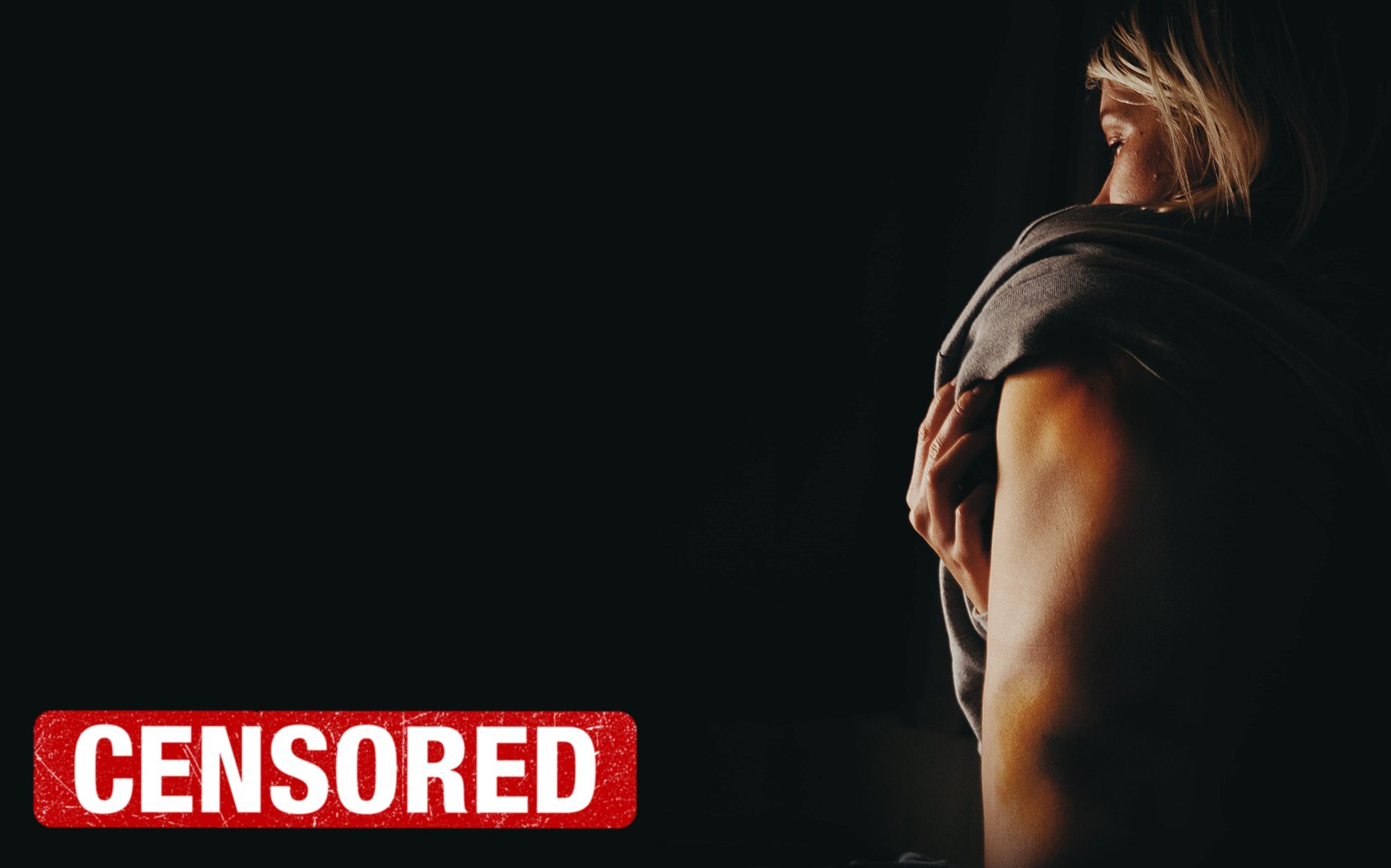
Why don’t victims of domestic abuse just leave? A multi-award-winning short film about the long, dangerous process of escaping an abusive relationship.
5 awards





The film:
Increases understanding of why leaving abuse can often be so difficult for the victim
Provides a medium for training people in the public and voluntary sectors to more easily recognise and support people suffering from domestic abuse
Improves understanding of domestic abuse amongst employers and provides a catalyst for improved workplace policies and procedures to support victims
Leaving is a powerful, tense and beautifully handled piece about a very difficult but important subject. Actors, director, writer and cameraman all deserve great praise.
Free training resources
Free to download and use alongside the film.
-
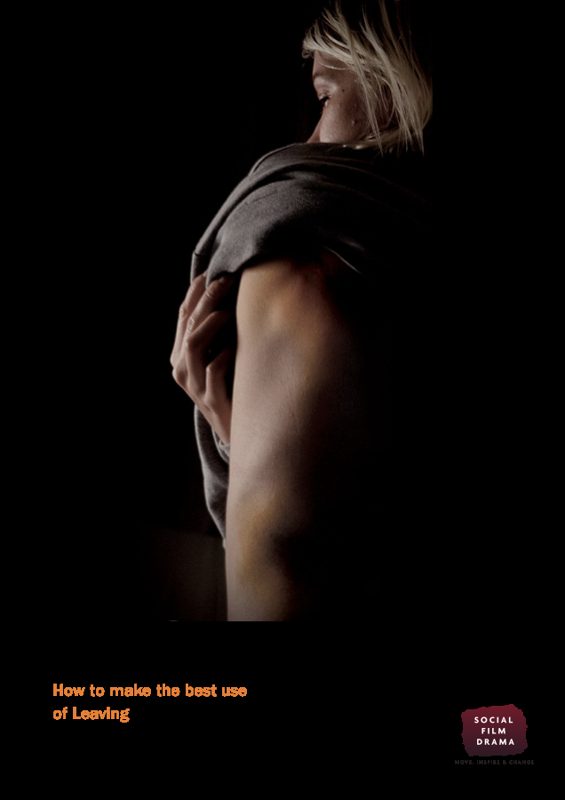
Good Practice Guide
How to make the best use of Leaving: a supportive training resource with information and insights into Helen’s struggle to leave an abusive relationship.
-

Illustrated Script
The full script, illustrated with stills, for a deeper understanding of every scene and useful learning points for domestic abuse training.
-
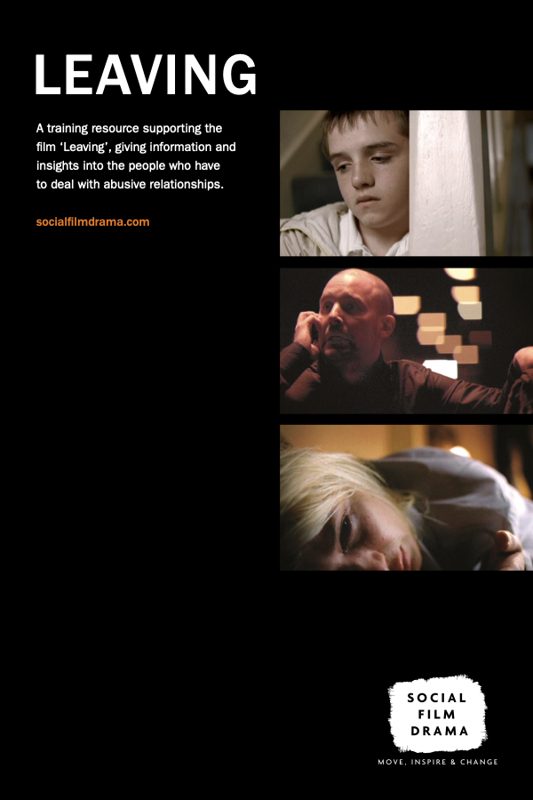
Character Profile Booklet
Further insight into each of the film’s characters and the people who have to deal with abusive relationships.
This twenty-minute short film offers a glimpse into the long and arduous process of safely leaving an abusive relationship, as well as confronting the deep-rooted social misconception that those living with domestic violence ‘should just walk away’.
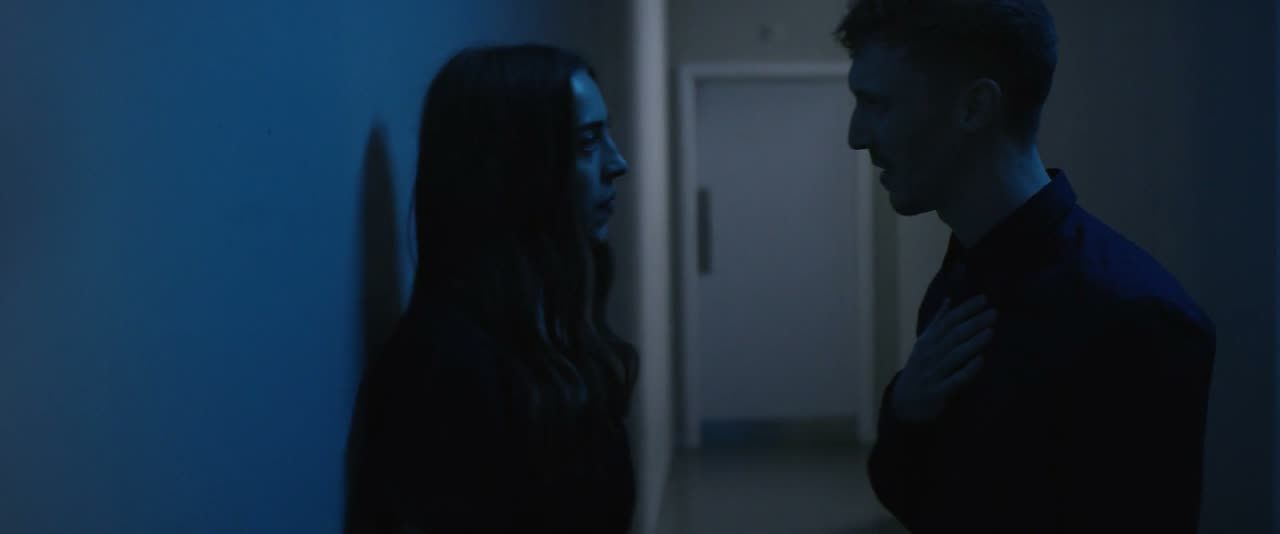
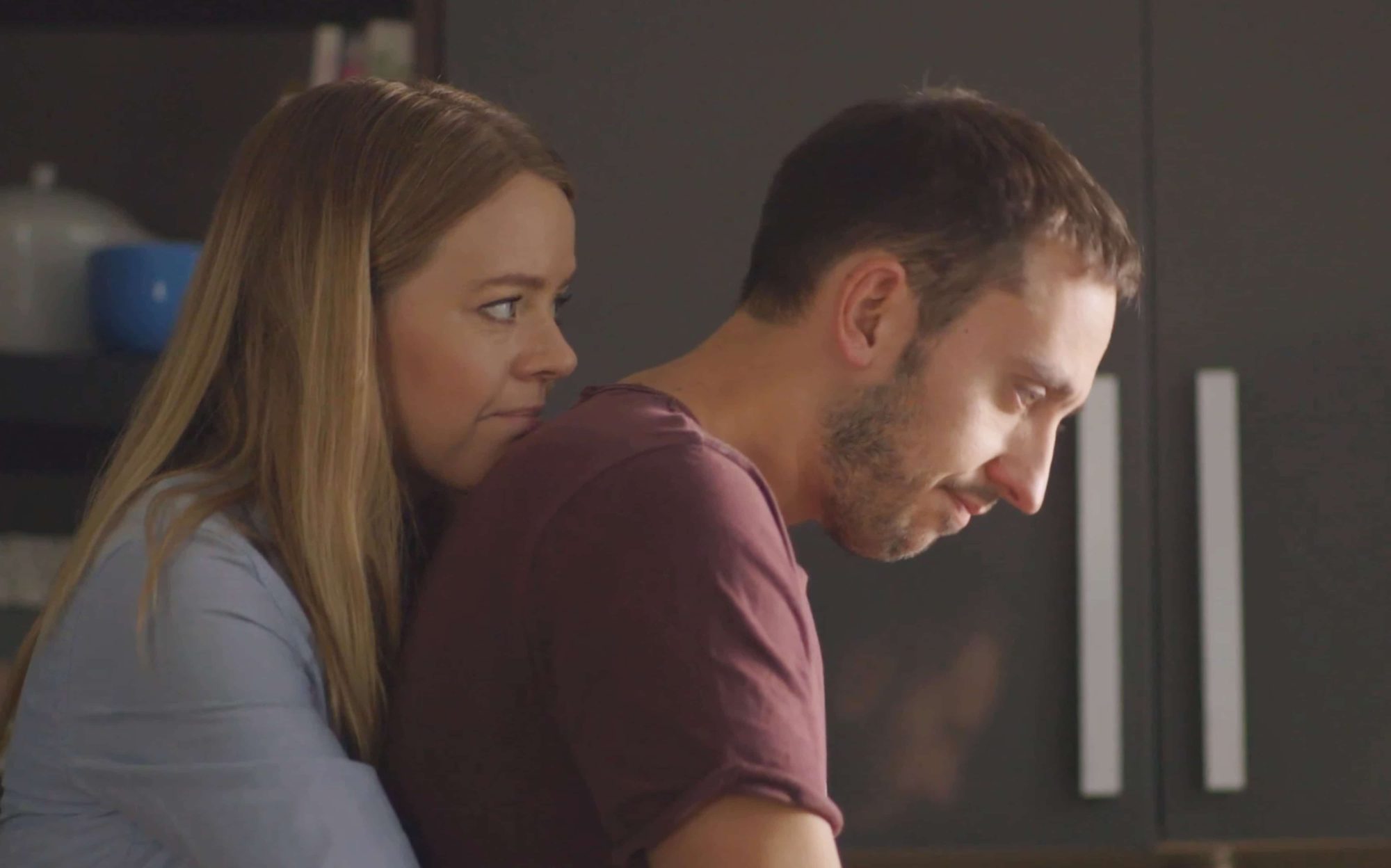
Leaving is a powerful, multi-award-winning short film drama that tells the story of Helen (Kierston Wareing, BAFTA Best Actress nominee for Ken Loach’s It’s a Free World), and her attempt to break free from her violent husband Jim (Johnny Harris, Paul Andrew Williams’ London To Brighton).
Leaving’s inception as an awareness-raising idea came from Stephen Long, then Deputy Chief Constable of Wiltshire Police, who spent much of his career tackling domestic abuse within the South West region of the UK. Stephen wanted a film that would encourage communities to become actively aware of the signs of abuse, so that those other than the services could offer support to victims through a deeper understanding of the problem.
Stephen contacted communications agency Glennie McIntosh, a team adept at handling such social issues. Glennie McIntosh partnered with Richard Penfold and Sam Hearn of Omni Productions, who together had previously won three significant International Visual Communication Awards for their drug addiction drama, The Overdose Notes. Leaving was produced in partnership with Wiltshire Police, Wiltshire Primary Care Trust, Wiltshire Probation, Wiltshire County Council, Swindon Borough Council, Home Office, Swindon Women’s Refuge, SPLITZ, NSPCC, Wessex Association of Chambers of Commerce and Westlea Housing.
Throughout pre-production, an advisory team was called upon to ensure that the film would remain truthful and respectful to those it would portray. Advisors included Jenni Manners MBE, whose 30 years of service to victims of domestic violence has earned her significant respect within the field, as well as other notable representatives from the Police and Probation services, and charities such as the NSPCC and SPLITZ.
Throughout the production process, domestic abuse advisors Sue Blacklock and Chris Fry were at hand for detailed advice and support.